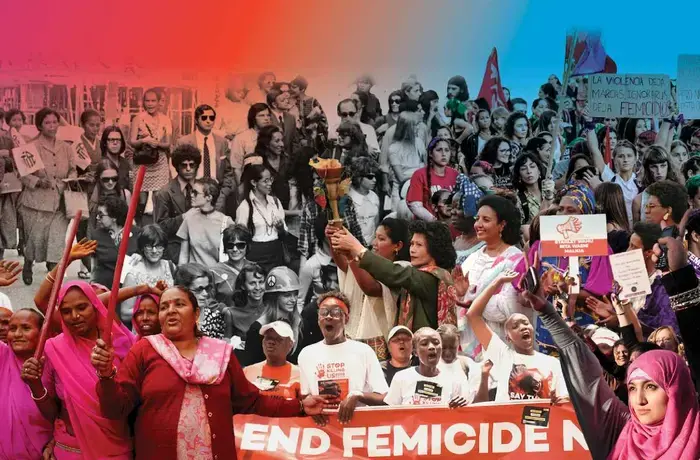
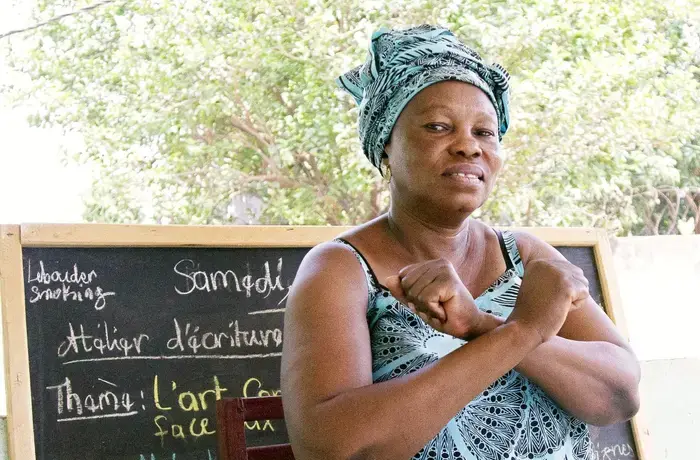
The 70th session of the UN Commission on the Status of Women (CSW70)
9 – 19 March | UN Headquarters, New York

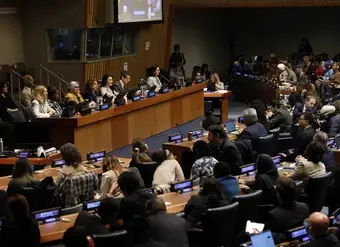
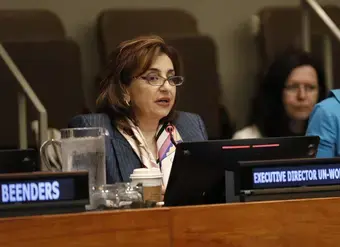
The 70th annual Commission on the Status of Women (CSW70), taking place from 9 to 19 March at the UN Headquarters in New York, is the UN’s largest annual gathering on gender equality and women’s rights.
It is taking place at a critical turning point.
The rule of law is under attack. Democratic space is shrinking. The rights of women and girls are being rolled back in plain sight, while justice systems fail to protect them.
Legal equality remains out of reach for the majority of the world’s women and girls who have just 64 per cent of the legal rights of men.
Legal inequality has long and deep consequences, spanning lifetimes, generations, and impacting whole societies.
The priority theme of CSW70, “Ensuring and strengthening access to justice for all women and girls”, discusses what legal inequality means in life, and recommends actions to close the gap.
When justice fails, women pay the price
Inequality before the law can mean that, a woman can be raped, and the law may not even recognize it as crime. A girl can be forced into marriage, and the State allows it. A woman can do the same work and be paid less by law or by design.
AI Deepfake sexual images now make up the vast majority of all deepfake content online, and almost all depict women. Yet, creators and distributors of abuse walk free, with near impunity. Technology is and can be a force of good, instead it is being used as a tool for abuse and targeting women and girls.
Justice advances gender equality
The UN Secretary-General’s Report for CSW70 shows that justice is where gender equality is decided, and too often denied.
When laws are unbiased and justice systems deliver for all women and girls, entire societies make real strides toward progress. For example, family law reforms that strengthened women’s rights related to marriage, divorce, property, and inheritance, have led to 600 million women gaining economic opportunities.
Women’s agency is a decisive factor in whether justice is accessed, claimed, and enforced.
CSW70: The moment to deliver rights, justice, and action for all women and girls
The time is now. Here are just five actions to strengthen women’s and girls’ access to justice and give power to our rights.
- End impunity. Close the loopholes, enforce the laws, and hold perpetrators accountable.
- Fix the law. Remove discriminatory laws – laws that allow for treating women and girls unequally, condone them, or stay silent about violence against them.
- Fund justice. Ensure justice systems are sufficiently resourced, including funding for legal aid and survivor-centred justice services.
- Invest in change. Fund women’s organizations as they drive transformative justice reforms, act as first responders and provide survivor-support services, mobilize public opinion, and more.
- Use technology and data, for good. With innovation and collaboration, our laws can deliver justice more effectively. Fight algorithmic bias and online abuse, fight mis- and disinformation, expand gender data, and close the digital gender divide.

Key CSW70 events
-
Image
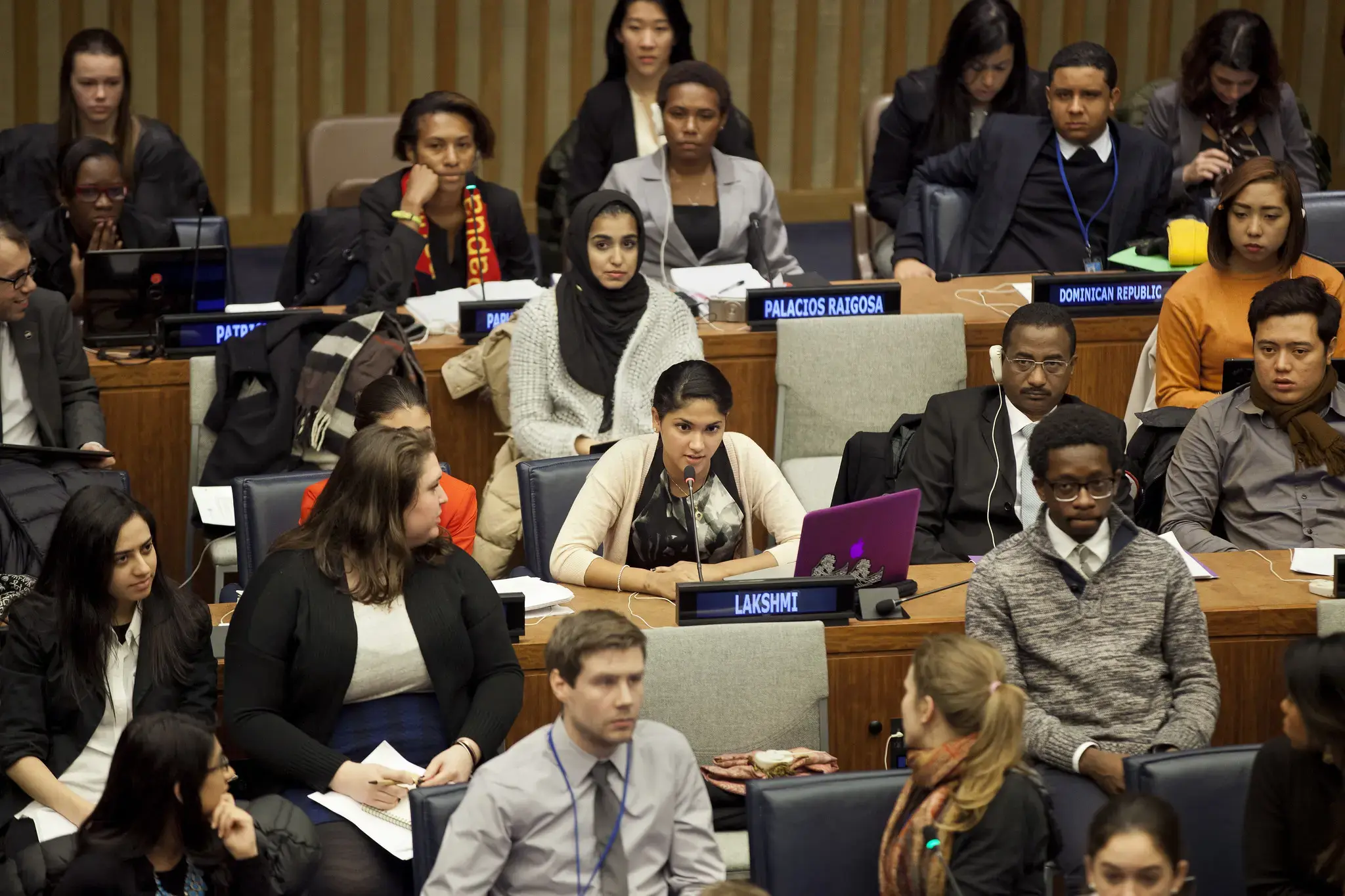
Voices Without Borders: Youth Forum
10 a.m. – 6 p.m. EDT,
The CSW70 Youth Forum: Voices Without Borders is a vibrant, youth‑led global gathering that will bring together 200 young feminists and allies to confront systemic injustices and champion bold, transformative solutions.
Attendance: By invitation only
-
Image
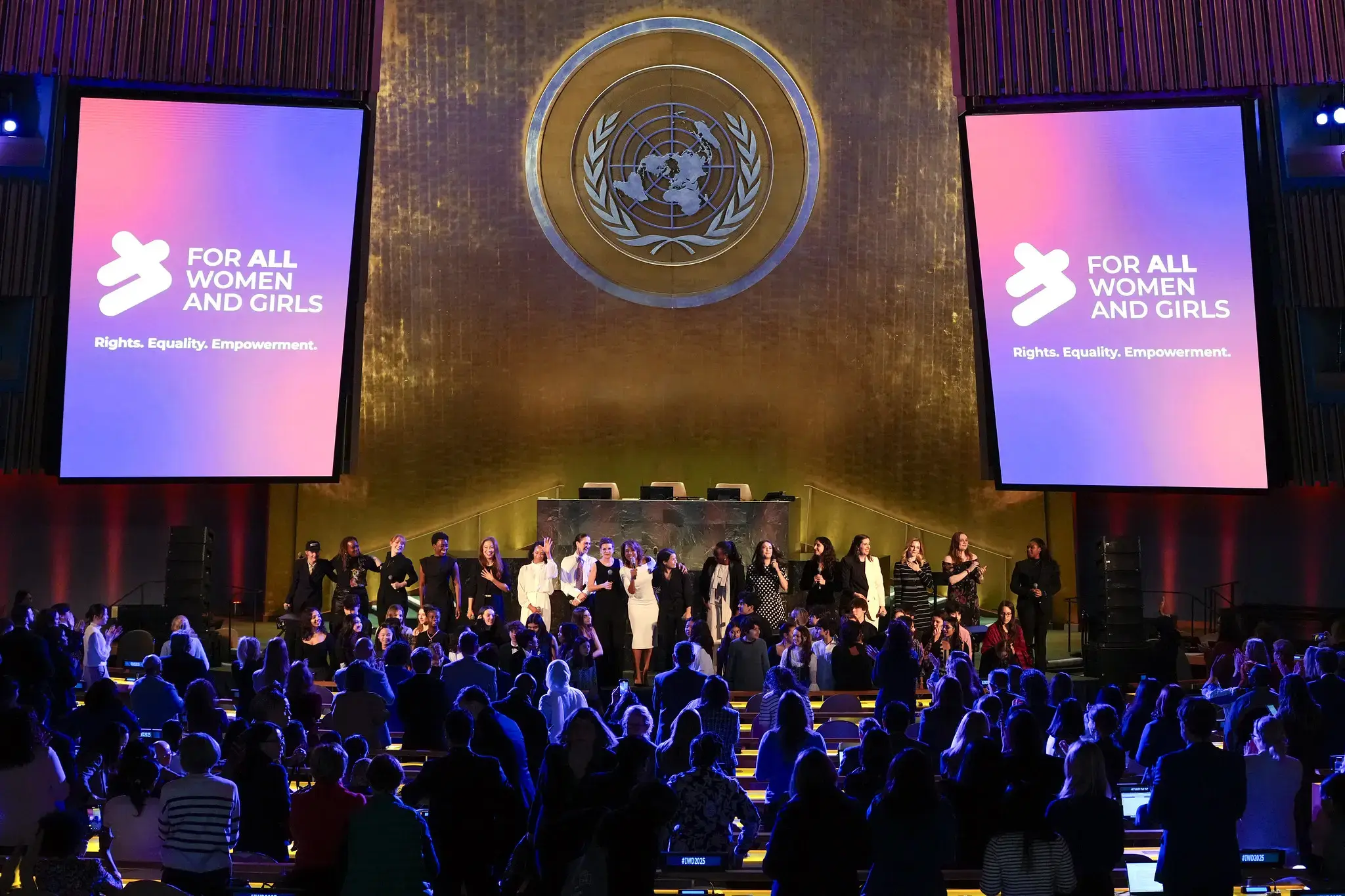
Rights. Justice. Action. For ALL Women and Girls. United Nations Observance of International Women’s Day
9–10 a.m. EDT, UN General Assembly Hall, UN Headquarters, New York
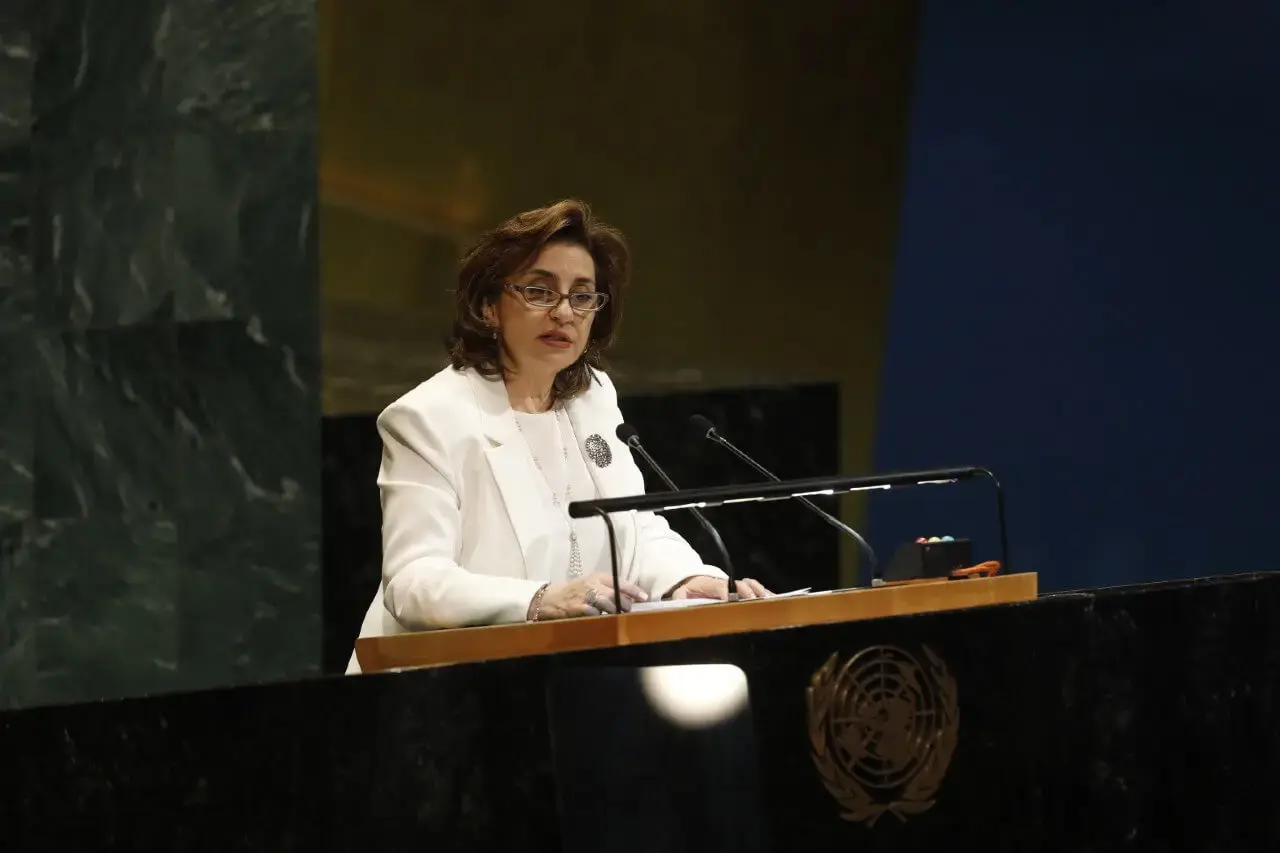
The United Nations Observance of International Women’s Day 2026, under the theme “Rights. Justice. Action. For ALL Women and Girls,” will be held on 9 March 2026 at the UN General Assembly Hall, immediately preceding the opening of CSW70.
Attendance: Open to accredited CSW70 participants and United Nations grounds pass holders.
-
Image
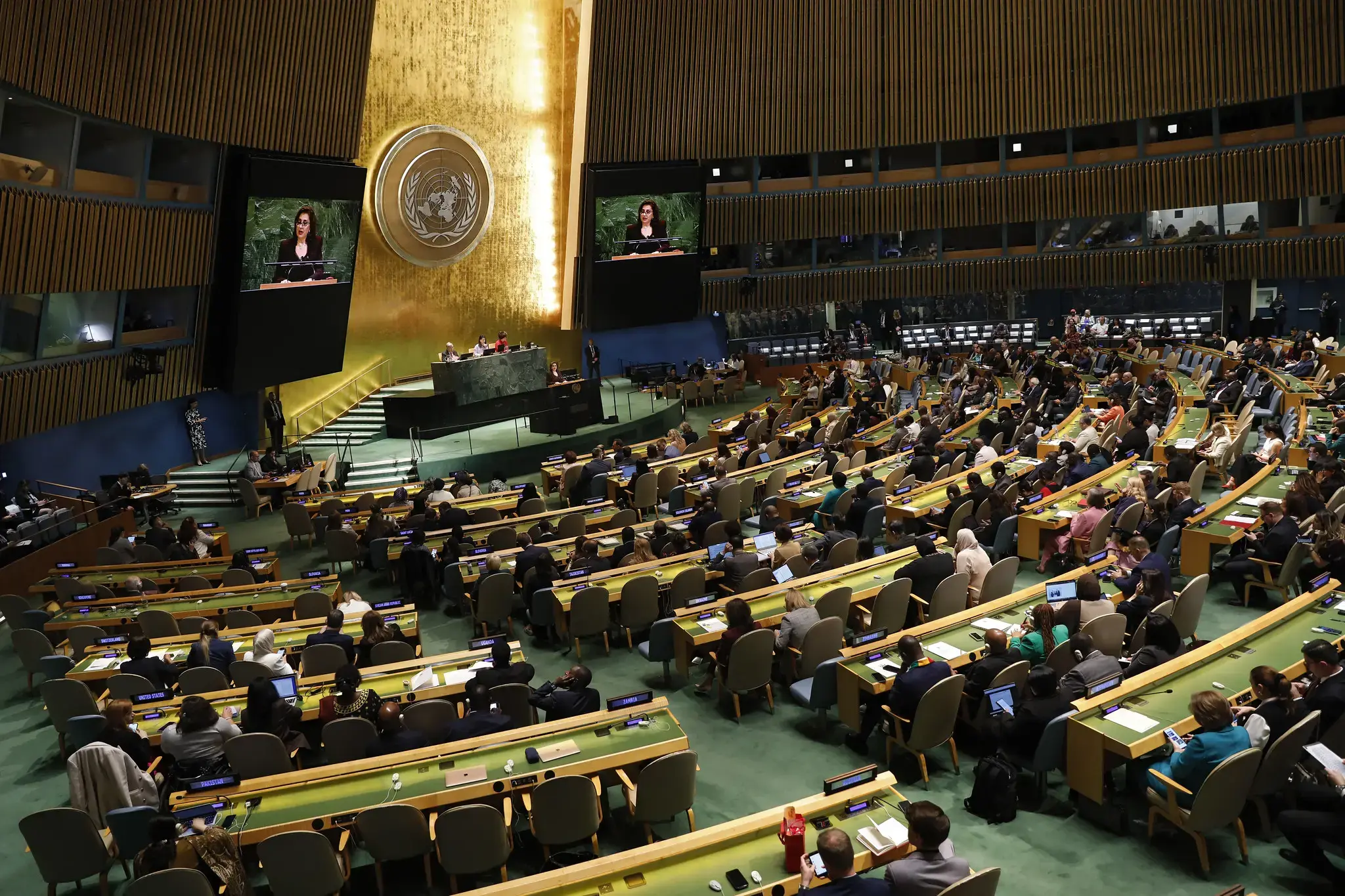
Opening of CSW70
10 a.m. – 1 p.m. EDT, UN General Assembly Hall, UN Headquarters, New York
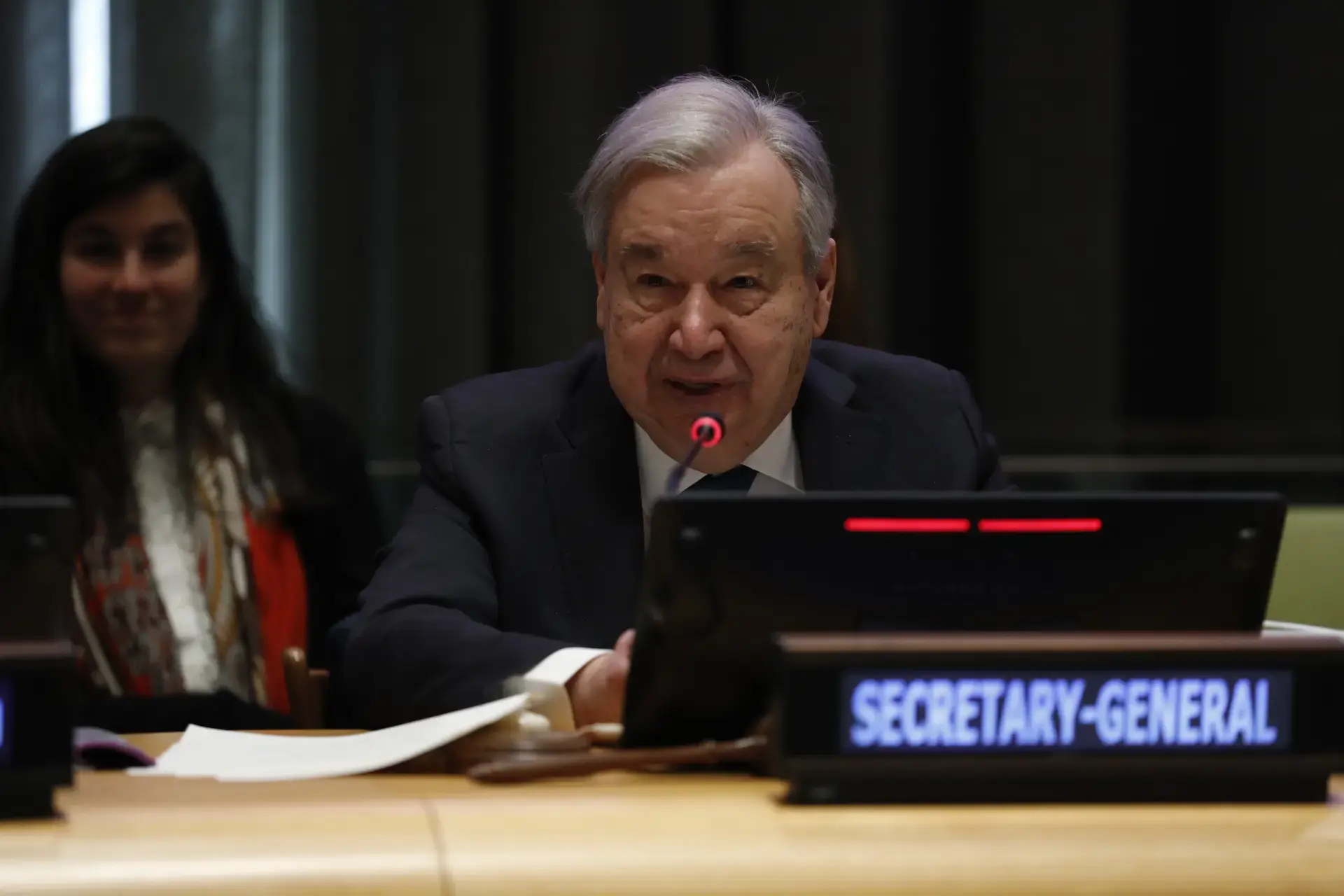
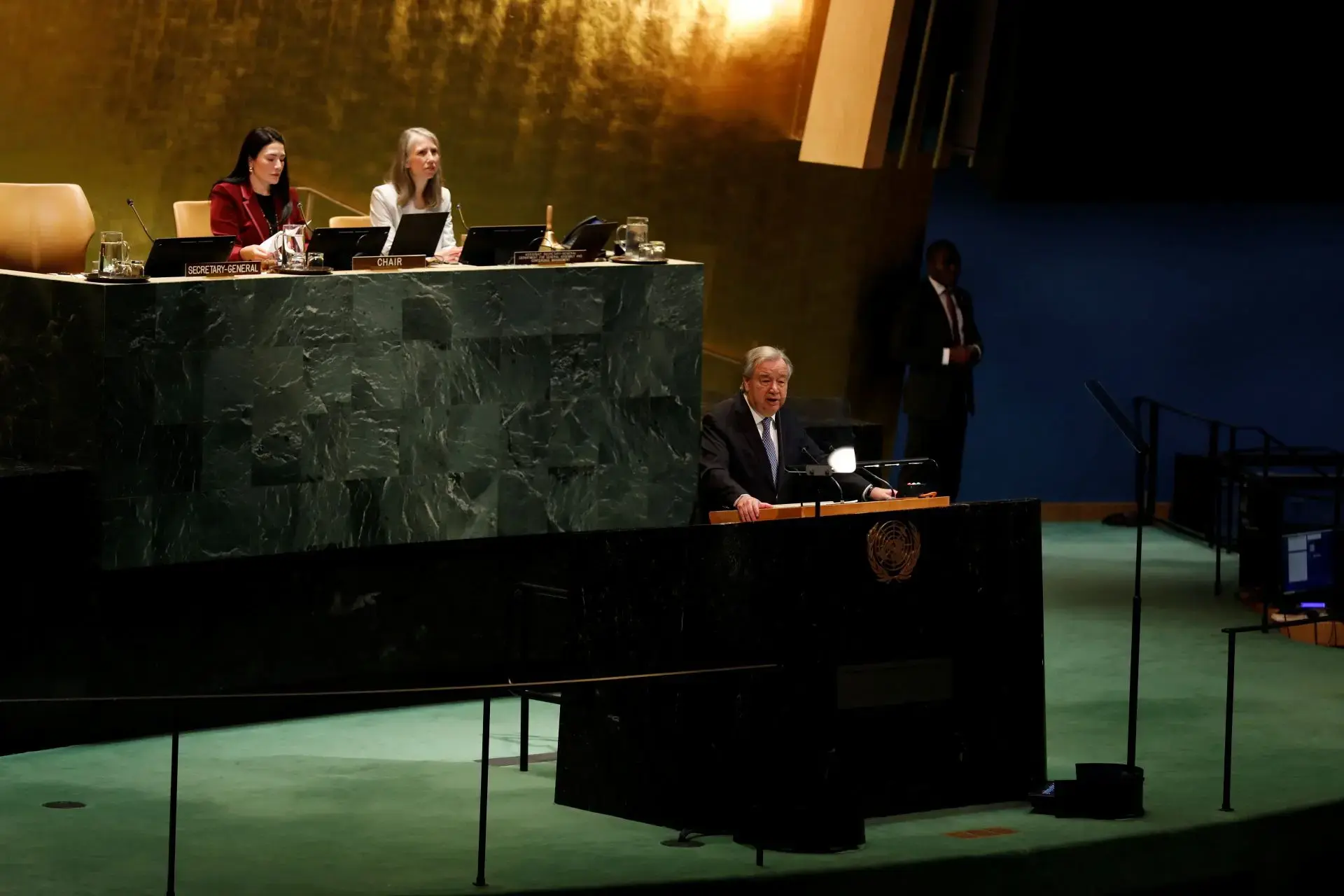
The CSW70 Opening marks the start of the 70th session of the Commission on the Status of Women. The Commission will hear opening remarks by the CSW Chair, the Presidents of ECOSOC and the General Assembly and the UN Secretary-General, a civil society representative and a young person.
Attendance: Open to accredited CSW70 participants and United Nations grounds pass holders
-
Image
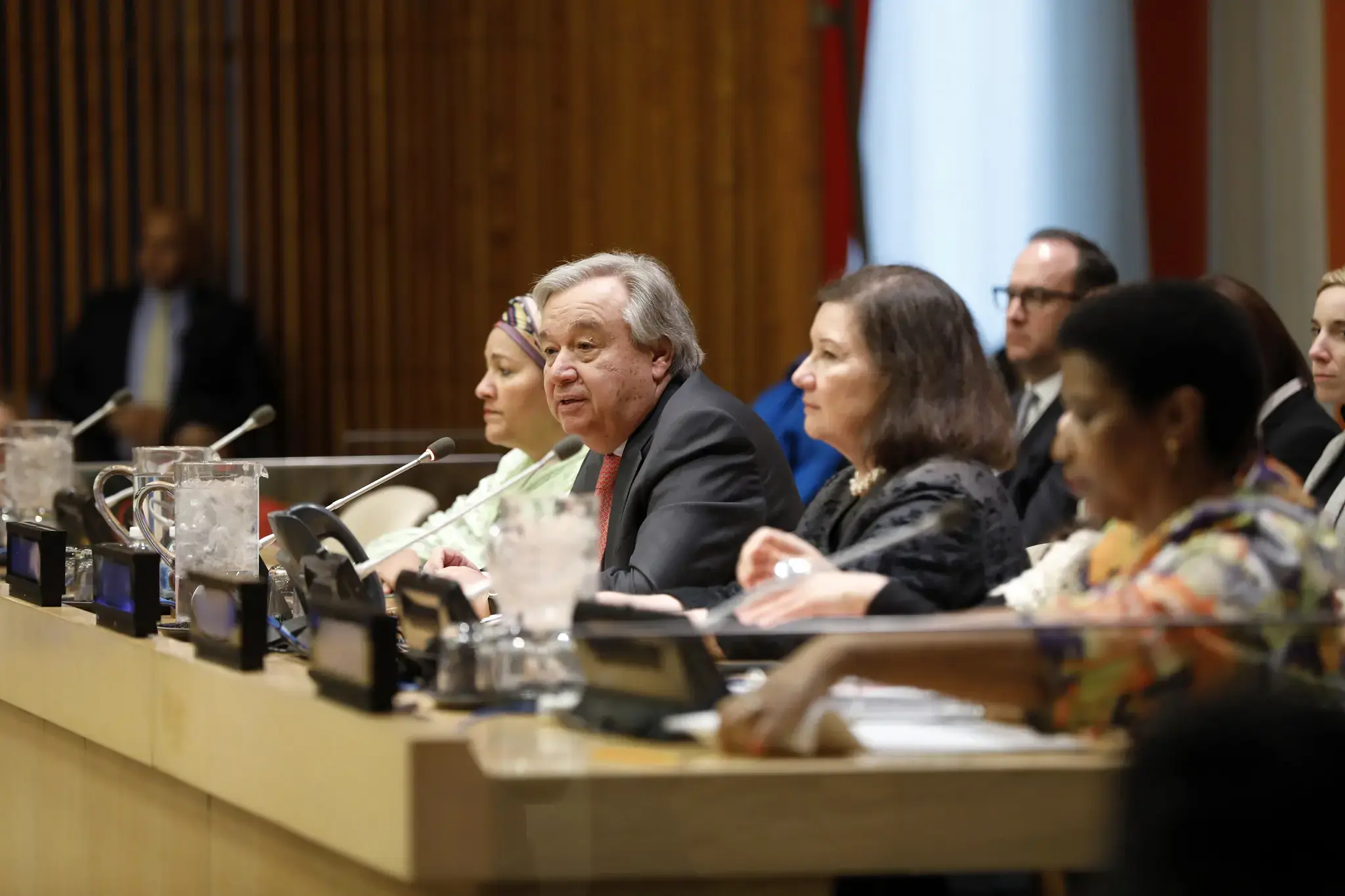
Townhall Meeting with the United Nations Secretary-General and Civil Society
10 –11 a.m. EDT, Trusteeship Chamber, UN Headquarters, New York
The townhall provides an opportunity for the UN Secretary-General to meet with the largest gathering of civil society at the UN, and to have a frank discussion on issues related to the advancement of gender equality and women and girls' rights around the world.
Attendance: Open to representatives of ECOSOC-accredited NGOs
-
Image

Bridging Systemic Gaps: Advancing Justice for All Women and Girls
1.15 – 2.30 p.m. EDT, ECOSOC Chamber, UN Headquarters, New York
The interactive dialogue will examine the challenges outlined in the Secretary-General’s report across formal and informal justice systems, including discriminatory laws and other structural barriers that restrict women’s and girls’ access to justice.
Attendance: Open to accredited CSW70 participants and United Nations grounds pass holders
-
Image

The Role of Parliaments in Achieving Parity in Decision-Making and Ensuring Gender-Responsive Access to Justice for Women and Girls
10 a.m. EDT, ECOSOC Chamber, UN Headquarters, New York
The Meeting will provide an opportunity to bring a parliamentary perspective into the CSW70 discussions. The event will also serve as the launch of the latest Women in Politics Map, presenting new data for women in executive positions and national parliaments.
Attendance: By invitation only
-
Image
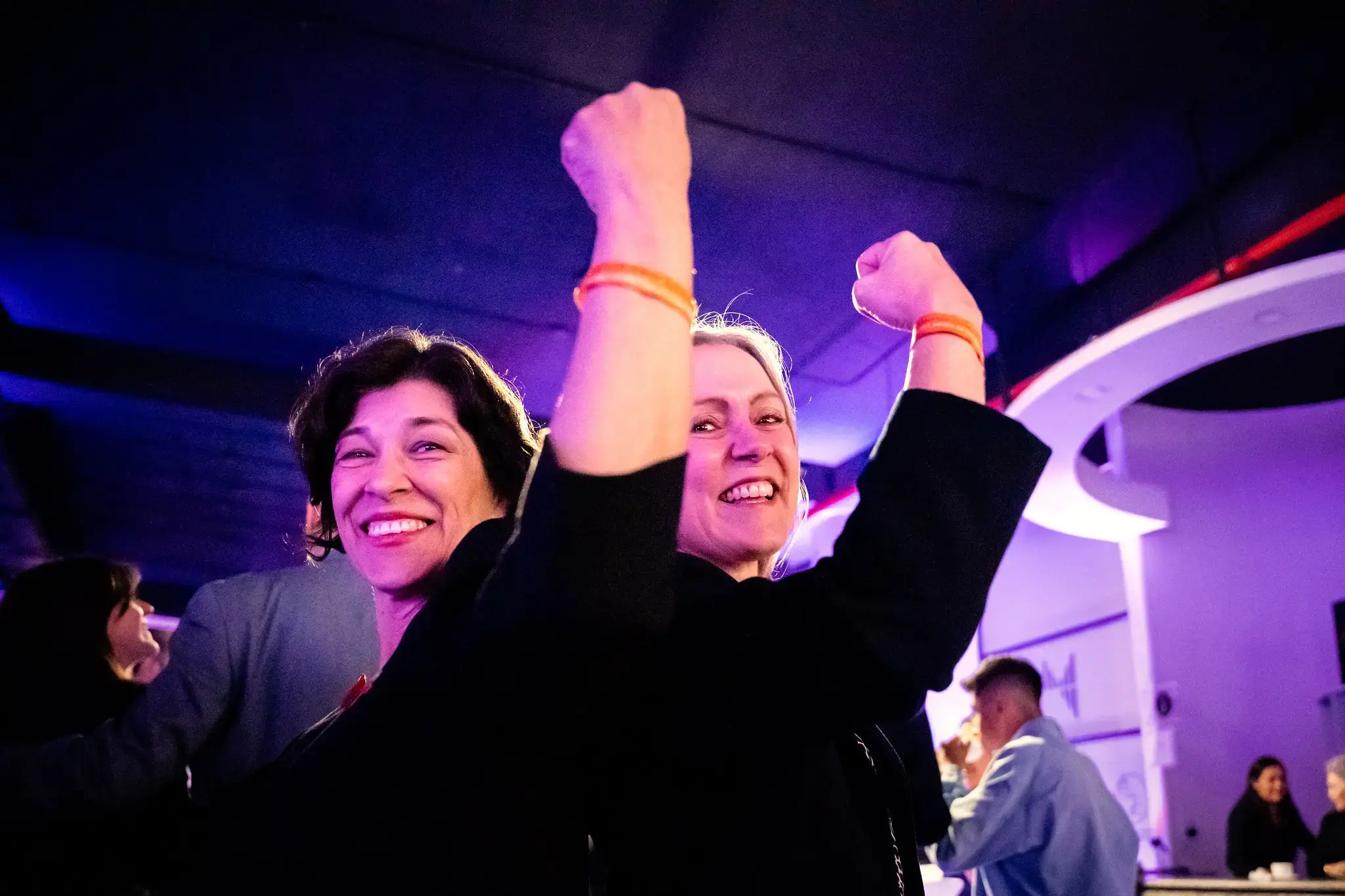
Advancing Women’s Access to Justice: Building Justice Systems that Deliver for All Including in Fragile Contexts
10–11.15 a.m. EDT, Conference Room 8 (CR-8), UN Headquarters, New York
UNDP and UN Women – in partnership with the Governments of Brazil, Kingdom of the Netherlands, and Ukraine – are hosting the high-level event to spotlight country experiences, civil society innovations and emerging legal reforms.
Attendance: Open to accredited CSW70 participants and United Nations grounds pass holders
-
Image
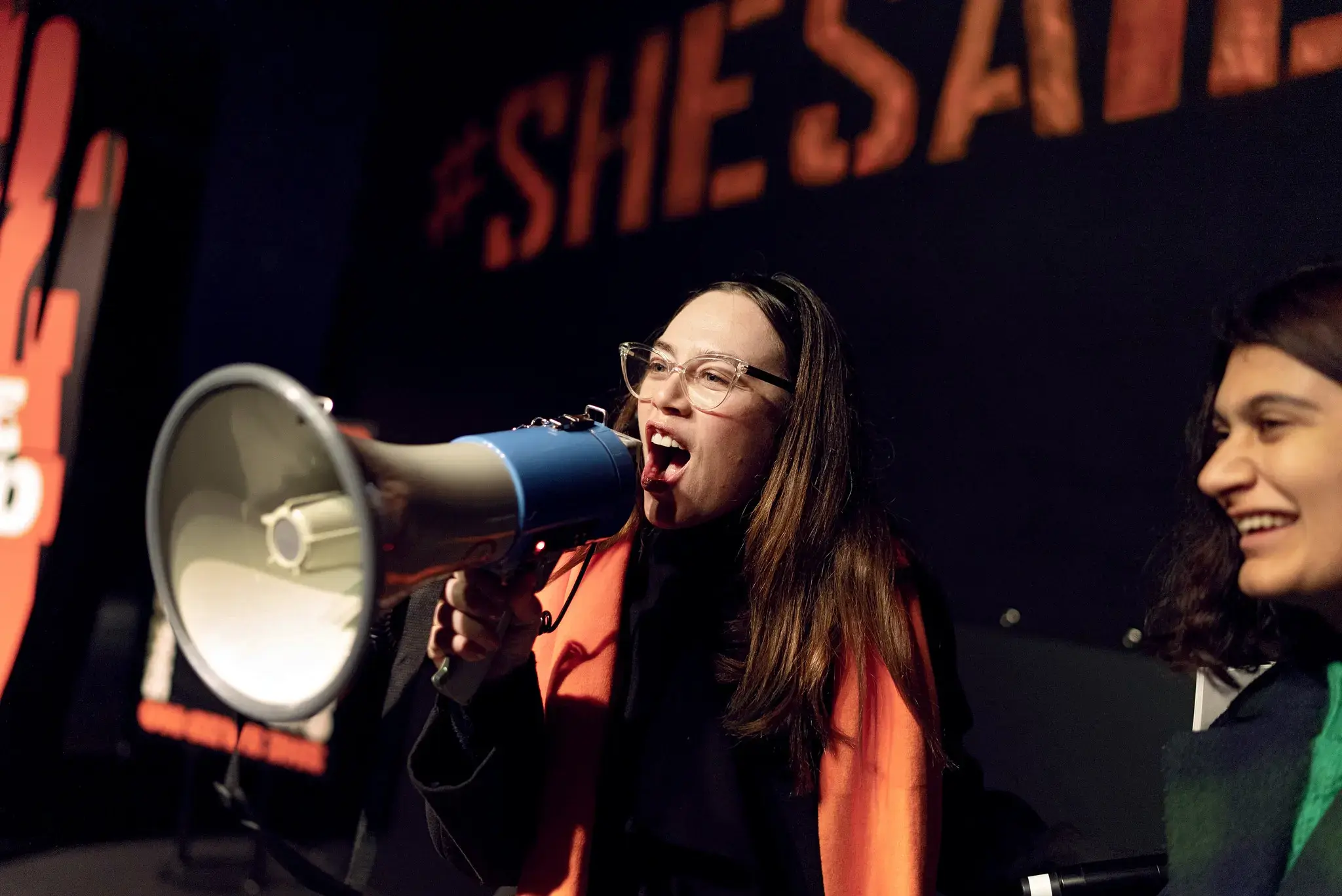
CSW High-level Meeting on Violence Against Women and Girls
10 a.m. – 6 p.m. EDT, Conference Room 4, UN Headquarters, New York
Member States will convene for the first annual High-level Meeting held during CSW and highlight what works to prevent violence and strengthen survivor-centred responses – both online and offline.
Attendance: Open to accredited CSW70 participants and United Nations grounds pass holders.
Watch live: 10 a.m. – 1 p.m. and 3–6 p.m.
-
Image
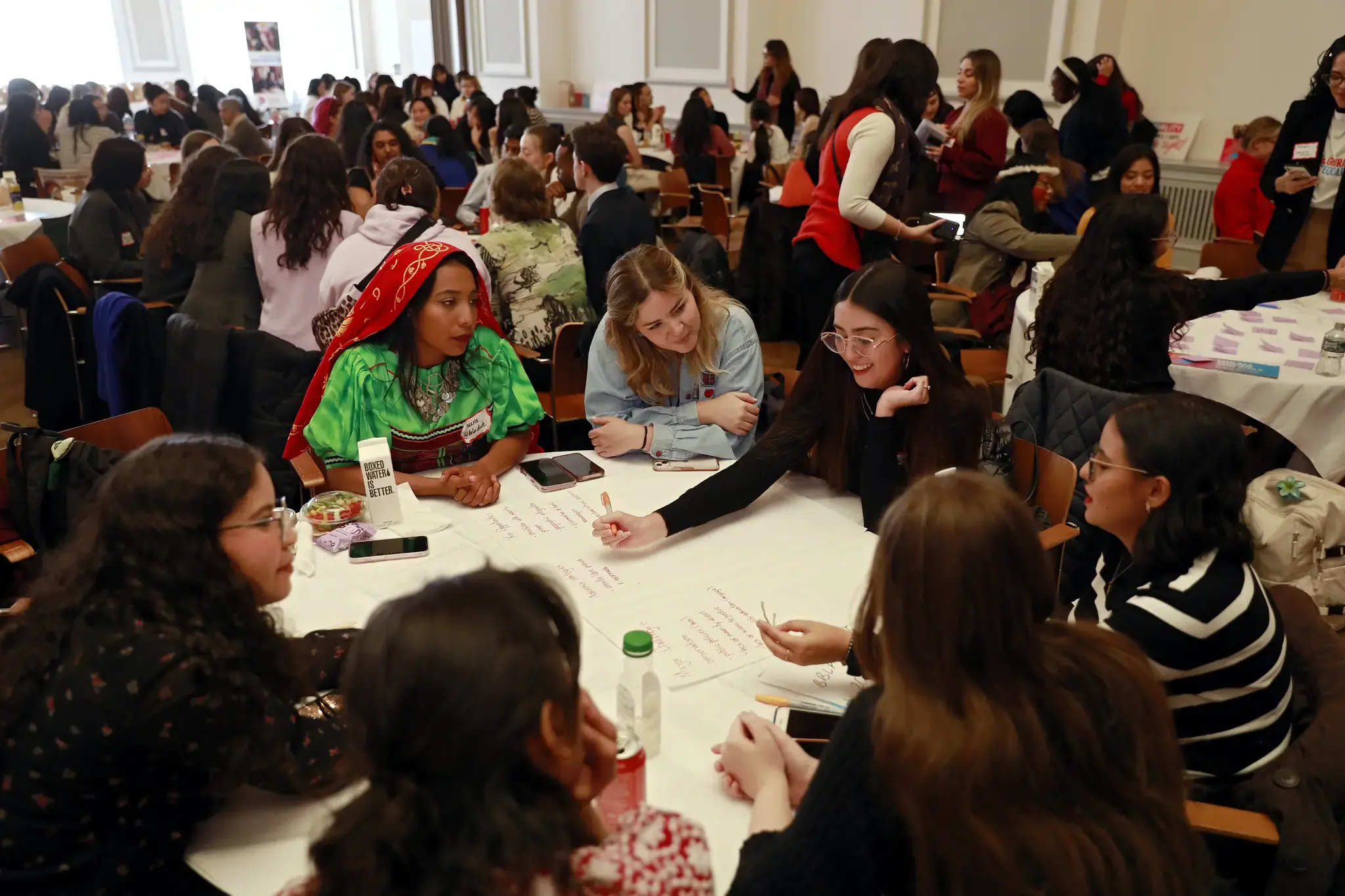
Interactive Youth Dialogue: Ensuring and Strengthening Access to Justice for All Women and Girls
3–6 p.m. EDT, Conference Room 4, UN Headquarters, New York
The Interactive Dialogue with Youth Representatives at CSW70 is a global platform that elevates the leadership, vision, and lived experiences of young people advancing access to justice for women and girls.
Attendance: Open to those with ECOSOC accreditation
-
Image
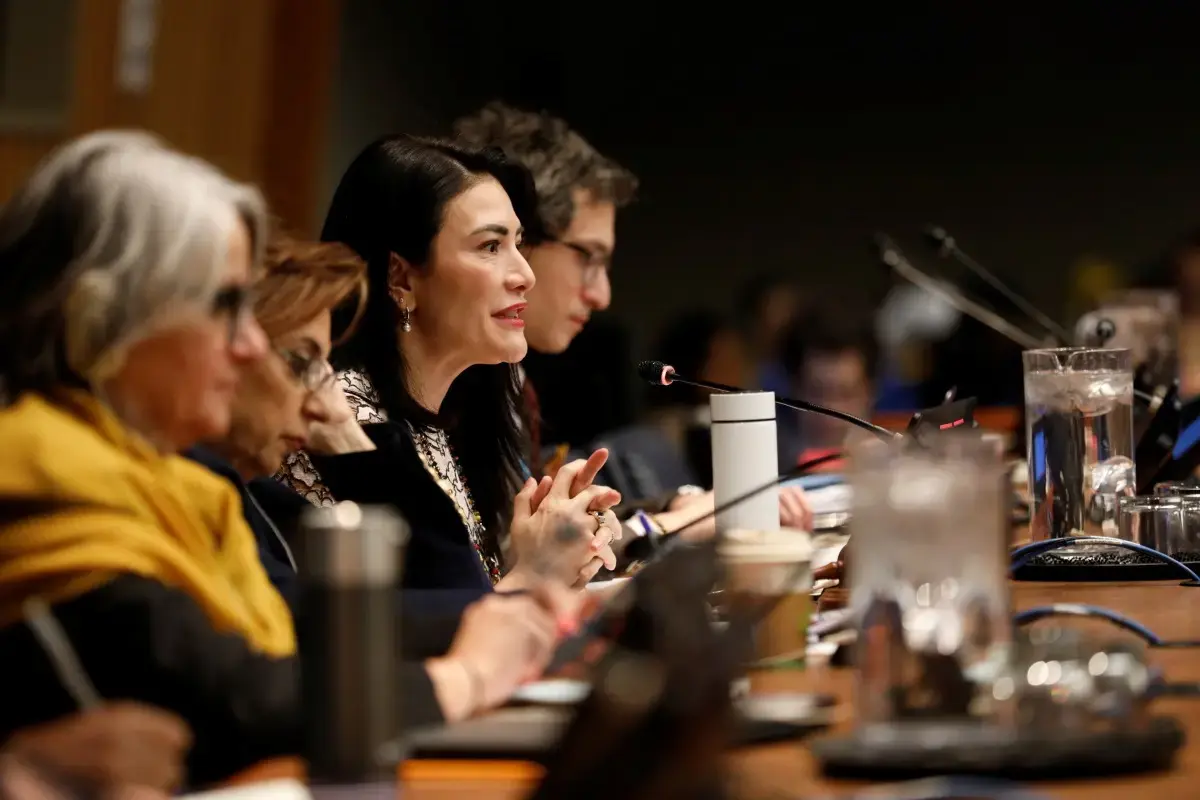
Closing of CSW70
10 a.m. – 12 p.m. EDT, UN Headquarters, New York
The CSW70 Closing Session brings the seventieth session of the Commission on the Status of Women to an official end. Delegates will review progress made during discussions on the priority theme of ensuring and strengthening access to justice for all women and girls, consider outstanding agenda items, adopt the session’s report and agreed conclusions, and look ahead to the work of CSW71.
Attendance: Open to accredited CSW participants and UN grounds pass holders
What justice means to women – and how to deliver it
Learn about legal equality for women and girls, the barriers to justice, and how we can break them down.