Gender-responsive climate and environmental action
Towards achieving gender equality and a safer, healthier, more sustainable planet for all.

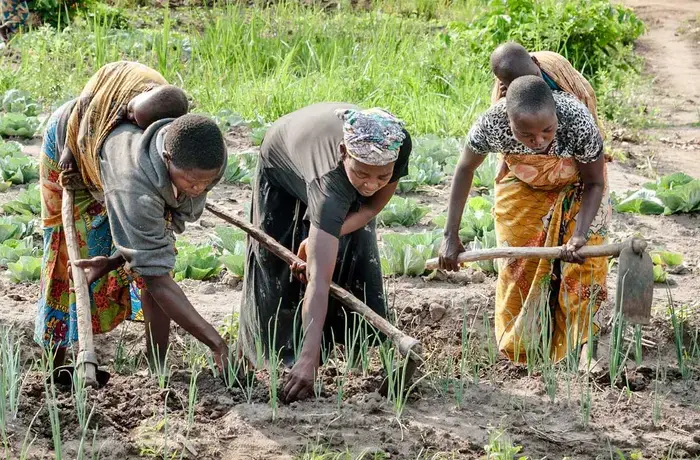
The triple planetary crisis – climate change, biodiversity loss and pollution – has very real and very unequal impacts on women, girls and gender-diverse people.
This year, 2026, is a pivotal opportunity to advance gender equality in the global environmental agenda. In August, October and November, three major Rio Convention Conferences of the Parties (COPs) will convene: COP17 on desertification in Mongolia, COP17 on biodiversity in Armenia, and COP31 on climate change in Türkiye.
We are convening in a global context of escalating conflicts, attacks on women’s rights, and environmental degradation. It has never been clearer: Climate change, biodiversity loss and desertification are making our economies, our health, and progress on gender equality more precarious.
There is a path forward: just transitions away from economies and societies dependent on fossil fuels and harmful environmental practices – and towards greater sustainability and gender equality.
How gender inequality and climate change are interconnected
The climate crisis is one of the most pressing issues of our times. It threatens to reverse progress on human rights and sustainable development, and worsens gender inequality – posing specific risks to livelihoods, health, safety and security of women and girls.

That means, among other things: decent work for women and men in green and blue economies, financing for women’s and grassroots organizations, and support for addressing women’s and girls’ needs in climate and environmental disasters and recovery.
Together with partners and allies, such as the Rio Convention women and gender constituencies, UN Women is promoting inclusive and equitable gender action plans, which aim to strengthen the gender-responsive implementation of the Conventions and the resilience and empowerment of all women and girls. This year, UN Women will also launch the Progress of the World’s Women report on gender equality and climate change and the Gender Equality and Climate Policy Scorecard.
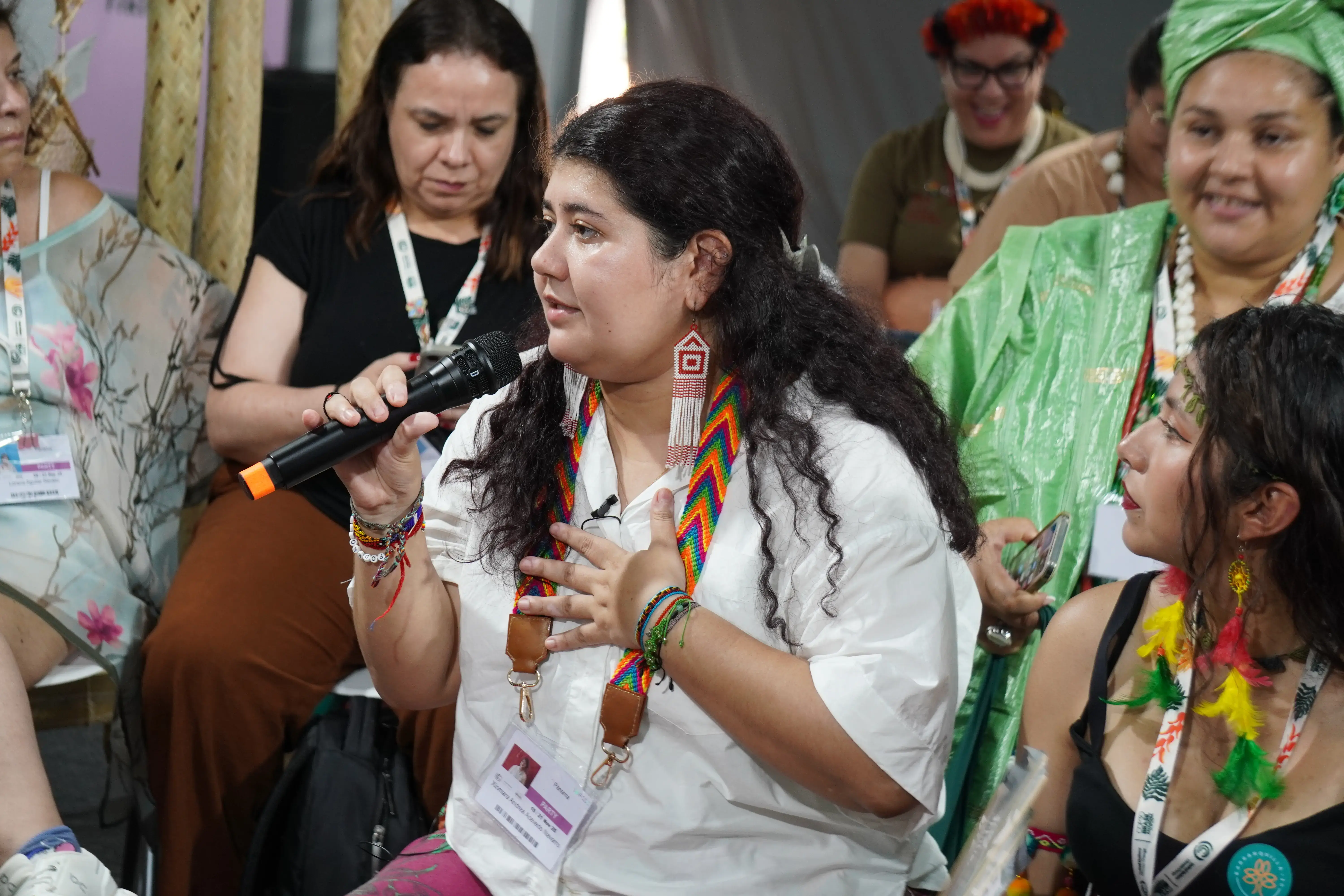
The lived experiences, rights, and meaningful participation of all women and girls – especially those in frontline communities – must be kept front and centre as we work towards a healthier, safer and more equitable world for all.